




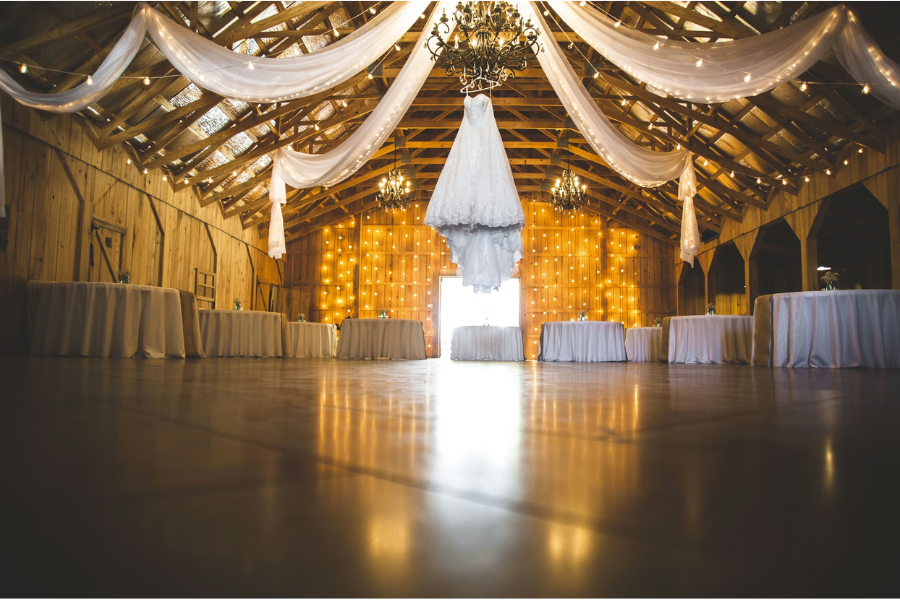
Couples searching for wedding event spaces Kansas City options are not just choosing a venue – they’re choosing how their entire wedding will function. The layout, flexibility, and operational structure of a space directly influence guest flow, timing, and overall experience. Most planning issues don’t come from vendors or décor. They come from mismatched venue choices.
Kansas City offers a wide range of venue types, from urban rooftops and hotel ballrooms to countryside properties and private estates. At the same time, expectations have shifted. Weddings are no longer just a few hours of ceremony and reception – they are increasingly becoming extended experiences, sometimes spanning an entire weekend. That shift changes how couples evaluate spaces.
This guide breaks down how to think about event venues Kansas City MO couples consider, what differentiates venue types, and how to choose a space that supports both ceremony and reception without creating unnecessary complexity.
What Defines a Wedding Event Space Today
A wedding venue is no longer just a location. It’s a system. It determines how people move, how events transition, and how smoothly the day unfolds. In practical terms, couples are no longer just asking what looks good, they’re asking “how much do event venues cost” and whether that cost actually translates into a smoother experience.
A true wedding event space integrates three core elements – ceremony environment, reception functionality, and guest flow continuity. When these are disconnected, problems start compounding quickly. That’s why questions like “how much to rent an event space near me” don’t give you the full picture – because pricing alone tells you nothing about how the event will function.
The reason this matters is simple. When these elements are fragmented – separate ceremony and reception venues, disjointed layouts, or limited transition space – coordination becomes harder. Delays increase. Guest experience drops. And suddenly, couples find themselves dealing with issues they never planned for, which leads to reactive thinking like “what to do after city hall wedding” instead of proactive planning.
In Kansas City, the most effective venues are those designed with both ceremony and reception in mind, whether indoors, outdoors, or a combination of both. The real question isn’t just where you’ll get married – it’s how the entire event sequence will operate from start to finish.
Types of Wedding Event Spaces in Kansas City
Different venue categories serve different priorities. Choosing the wrong type creates friction that no amount of décor can fix. Most couples don’t realize this early enough, and end up optimizing for aesthetics instead of structure – then later start questioning things like “are event venues profitable” or why pricing varies so much across similar-looking spaces.
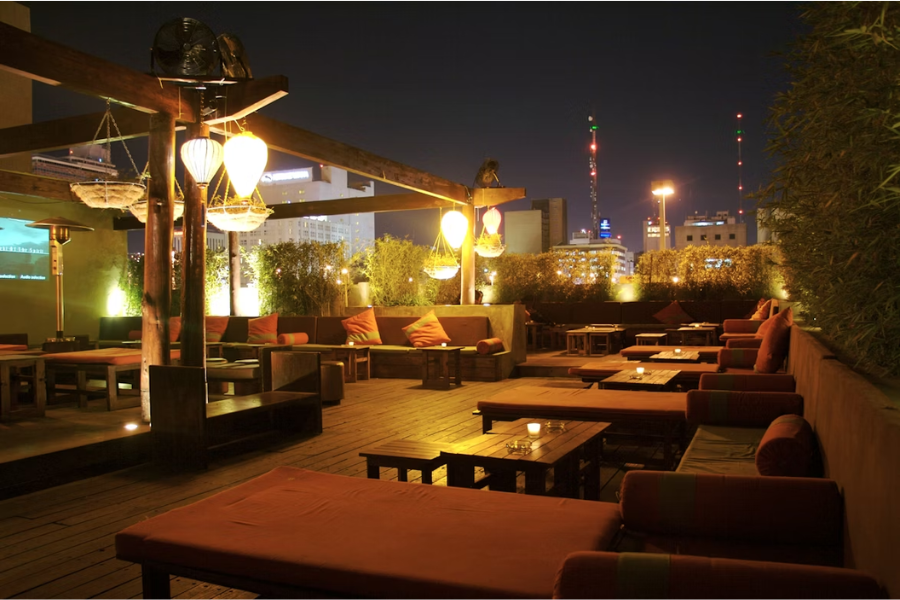
1. Urban Venues and Rooftop Spaces
These venues prioritize proximity and skyline aesthetics. They work well for couples who want a city-centered experience with easy access to hotels and nightlife. But convenience comes at a cost – literally and operationally. It’s common for couples to underestimate expenses and only later ask “how much do event venues make a year” or why premium pricing doesn’t always translate into flexibility.
Urban venues often come with constraints – limited outdoor flexibility, stricter timelines, and higher costs tied to location. If your priority is convenience and a structured reception environment, they can work well. If you want flexibility or privacy, they fall short.
2. Hotel Ballrooms and Convention Spaces
Hotel venues dominate traditional kansas city wedding reception planning. They offer built-in services – catering, staffing, coordination – which simplifies logistics. That’s why couples leaning toward simplicity often evaluate them through cost-first questions like “how much do event venues cost”, assuming bundled pricing equals better value.
But here’s the trade-off – these venues standardize the experience. Layouts are fixed. Design flexibility is limited. And weddings can feel repetitive. You’re essentially paying for predictability, not uniqueness.
They make sense when guest accommodation and centralized services matter more than customization. But if your goal is a distinct experience, they become limiting fast.
3. Barn and Countryside Venues
Barn-style venues and rural event spaces have grown because they solve a problem urban venues can’t – space and flexibility. They allow indoor-outdoor transitions, larger layouts, and multi-day setups. This is where couples start thinking beyond price and ask better questions like “how much to rent an event space near me” in relation to what’s actually included.
The challenge is inconsistency. Some barns are purpose-built venues. Others are just styled agricultural spaces. That’s a massive difference.
So the real evaluation question becomes: are you paying for infrastructure – or just aesthetics?
4. Private Estate and Destination-Style Venues
This is where the market is clearly shifting. Instead of separating ceremony, reception, and accommodation, these venues combine everything into one controlled environment. This reduces complexity significantly – something most couples only appreciate after dealing with fragmented setups.
These venues work differently. Guests stay nearby or on-site. Events extend beyond a single day. Planning becomes centralized. That’s why couples planning for out-of-town guests or larger gatherings stop asking basic pricing questions and instead focus on operational ones – like whether the venue eliminates the need for transport, vendor coordination, or multiple bookings.
This model is especially relevant for destination-style weddings near Kansas City, where continuity matters more than convenience.
What Actually Impacts Ceremony and Reception Flow
Most couples think in visuals – how the ceremony looks, how the reception feels. That’s surface-level thinking. The real difference between a smooth wedding and a stressful one is operational flow.
This is where better questions come in. Not just “how much does it cost,” but what that cost actually solves. Because once logistics break down, couples are forced into reactive decisions – similar to those who later search “what to do after city hall wedding” when initial plans fall apart.
The key factors that influence flow include distance between ceremony and reception areas, transition spaces like lounges or cocktail zones, capacity alignment, and staff coordination.
If guests need transportation, timing becomes fragile. If transition spaces are missing, movement becomes chaotic. If capacity doesn’t match, layouts fail in real time.
A venue that supports flow reduces the need for micromanagement. That’s what you’re actually paying for – not just space.
Cost Breakdown: What Couples Miss
This is where most decisions go wrong. People obsess over price but ignore structure.
The price of event venues near me varies widely – from $5,000 to $30,000+. Naturally, couples start with “how much do event venues cost”, but that question alone is useless without context.
A better framing is understanding what drives cost. Venue rental vs packages, guest count scaling, time restrictions, and setup requirements all influence the final number. That’s why follow-up questions like “how much to rent an event space near me” often lead to confusion – because the answer depends entirely on what’s included.
The real question isn’t cost.
It’s: what complexity does this venue remove – and what does it add?
Comparing Wedding Event Spaces: A Practical View
Not all venue types compete on the same variables. Comparing them without context leads to bad decisions.
Couples often fall into the trap of comparing pricing across categories and asking surface-level questions like “how much do event venues make a year”, which has zero relevance to their own wedding outcome.
What actually matters is alignment between your expectations and the venue’s structure. Urban venues optimize for convenience. Hotels optimize for predictability. Barn venues optimize for flexibility. Private estates optimize for experience and continuity.
If your goal is efficiency, hotel venues work. If your goal is depth of experience, private or countryside venues outperform everything else.
How This Works in Real Wedding Planning
Theory doesn’t matter if execution fails. And this is where most couples realize too late that they chose based on visuals instead of systems.
Urban or hotel venues create structured but segmented planning. Barn venues offer flexibility but increase coordination. Integrated venues simplify everything – but often come with higher upfront costs.
This is why questions like “are event venues profitable” are irrelevant from a planning perspective. What matters is whether the venue reduces your workload or multiplies it.
Common mistakes include choosing based on photos, ignoring logistics, underestimating vendor coordination, and overvaluing décor.
A venue should simplify your wedding – not create additional layers of planning.
Choosing the Right Wedding Event Space
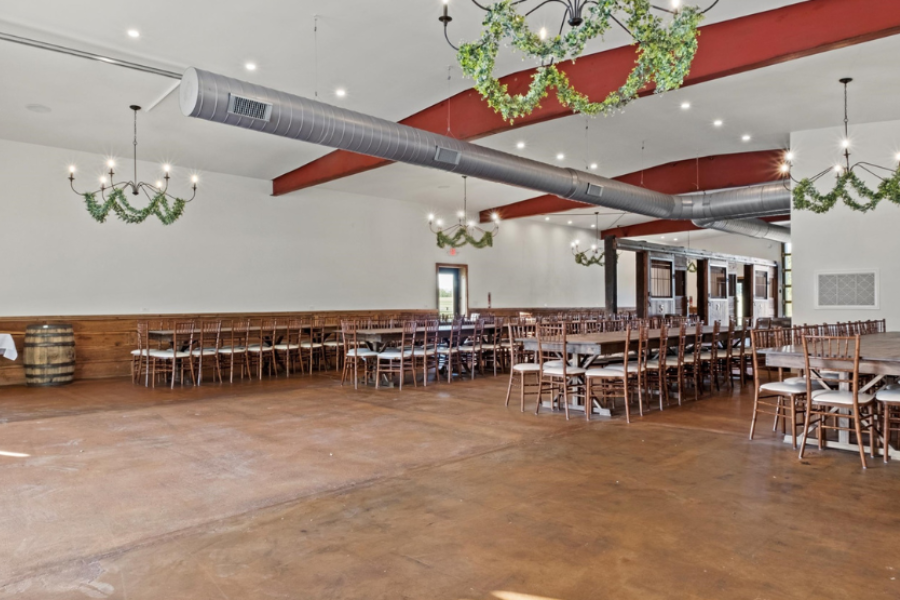
This is where clarity matters. The “best” venue depends entirely on your priorities.
Most couples start with generic questions like “how much do event venues cost”, but the better questions are strategic – what kind of experience do you want, and how much complexity are you willing to handle?
Do you want a one-day event or multi-day experience? Are your guests local or traveling? Do you want control or simplicity?
These answers determine the right venue – not the price.
Urban and hotel venues work for structure. Barn venues work for flexibility. Integrated venues work for continuity.
If your expectations don’t match the venue’s structure, problems appear fast.
Where Kansas City Wedding Trends Are Moving
Kansas City isn’t static. Weddings are shifting toward smaller, more intentional gatherings and extended celebrations instead of single-day events.
This is why experience-driven venues are gaining traction. Couples are moving away from fragmented planning and toward environments that reduce friction.
For travel-heavy weddings or international guests, having everything in one place isn’t a luxury anymore – it’s a requirement.
And if you ignore that shift, you’ll end up solving problems during the wedding instead of enjoying it.
FAQs: Wedding Event Spaces Kansas City
1. What are the best wedding event spaces in Kansas City for both ceremony and reception?
The best spaces integrate both functions seamlessly, reducing transitions. Venues that combine indoor and outdoor options tend to perform better operationally.
2. How much do wedding event spaces in Kansas City typically cost?
Costs range from $5,000 to $30,000+, depending on services, guest count, and venue type. Packages often provide better cost control.
3. Are barn venues better than hotel venues for weddings?
They serve different priorities. Barn venues offer flexibility and atmosphere, while hotels offer structure and convenience.
4. What should I prioritize when choosing a wedding venue?
Focus on flow, logistics, and coordination – not just visuals. A well-run venue improves the entire experience.
5. Are destination-style wedding venues common near Kansas City?
Yes, especially countryside properties that combine event space and lodging, offering more cohesive wedding experiences.
Beyond the Venue: Choosing the Right Experience
Choosing among wedding event spaces Kansas City offers is less about ranking venues and more about understanding how each one shapes your wedding. The venue you choose determines how your day flows, how your guests experience it, and how much complexity you carry during planning.
The shift toward experience-driven weddings isn’t a trend – it’s a response to how fragmented traditional planning has become. Couples are prioritizing environments that reduce friction, not just spaces that look good in photos.
Kansas City offers every type of venue imaginable. The real advantage comes from choosing one that aligns with how you want your wedding to feel – not just how you want it to look. For couples who want a more immersive, private, and naturally styled setting, places like Blue Cedar Landing quietly stand out – offering a balance of scenic outdoor space, flexibility, and a more grounded, less commercial wedding experience.


Ovation Square
March 30, 2026 - 11:14 amThis is a very well-structured guide, especially how it highlights different types of event spaces based on guest size and overall experience. Blue Cedar Landing stands out with its mix of rustic barns, lakeside settings, and indoor-outdoor flexibility, making it ideal for both intimate gatherings and larger celebrations. Thoughtful venue selection really shapes the flow of the entire event, and spaces like ovation square reflect how the right environment can elevate both atmosphere and guest experience. A very insightful and practical resource for anyone planning a wedding or special event.