




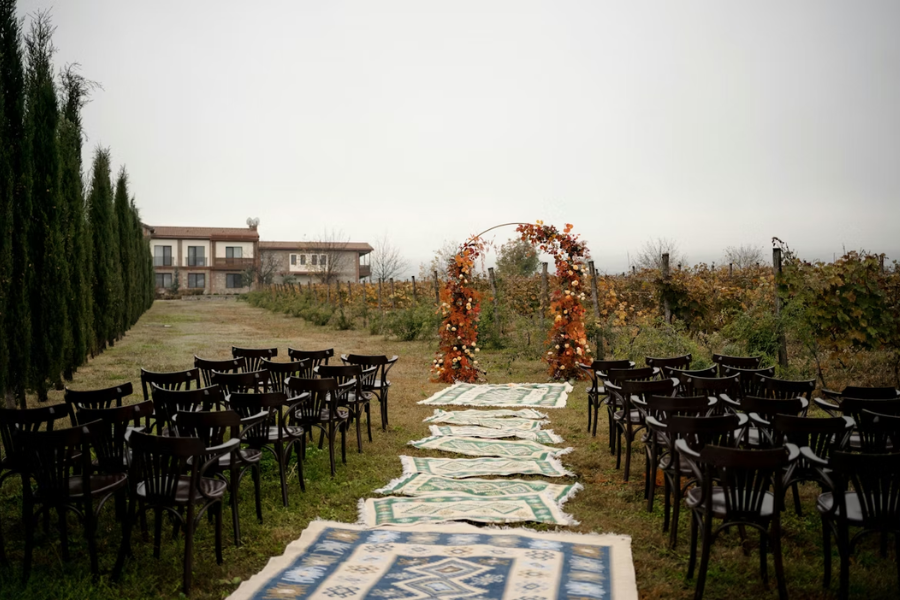
Couples comparing indoor outdoor venues in Kansas City are usually asking the wrong question. It’s not about which option is better. It’s about which one fails less under real conditions.
At the idea stage, outdoor weddings feel more appealing, open space, natural light, and atmosphere that doesn’t need heavy decoration. Indoor venues feel controlled, predictable, and easier to manage. But weddings are not static environments. They involve timing, weather, logistics, and people moving through space. That’s where the difference becomes real.
Kansas City complicates this decision. Seasonal swings, heat, humidity, storms, and wind, are not edge cases. They are normal conditions. This means the choice between outdoor wedding venues Kansas City and indoor spaces is not aesthetic. It’s operational.
What follows is not a preference-based comparison. It’s a breakdown of how each option performs when executed under real-world conditions.
What “Indoor vs Outdoor” Actually Means in Wedding Planning
The way most wedding event spaces Kansas City present indoor and outdoor weddings is misleading. It is positioned as a simple preference decision, but that is not how real events function.
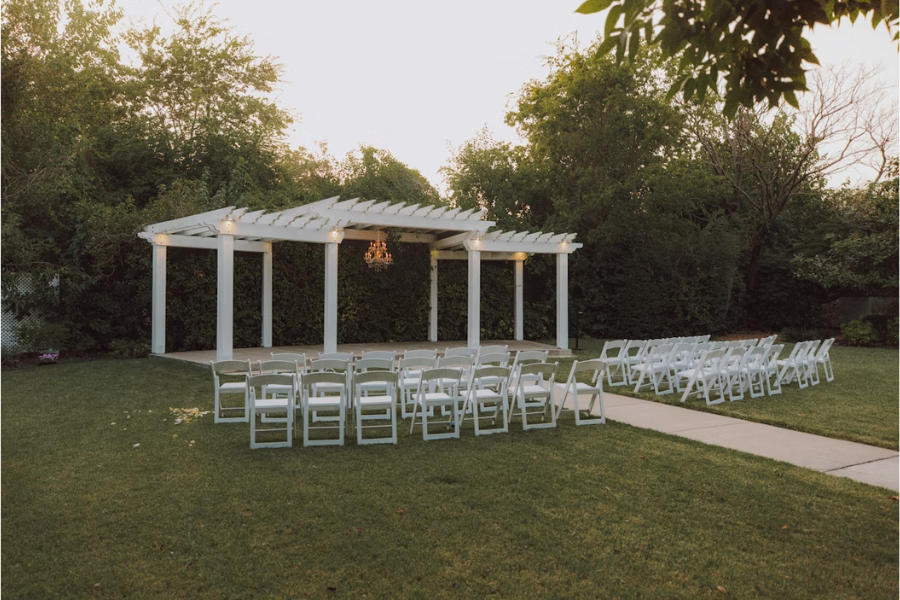
In practice, very few venues operate as purely indoor or purely outdoor environments. What actually exists is a layered setup where different parts of the wedding are distributed across multiple zones. This typically includes an outdoor ceremony area, an indoor reception space, and transitional areas that connect both.
This structure exists for a reason. Outdoor-only weddings fail the moment conditions change. Indoor-only weddings restrict movement, atmosphere, and flexibility. The industry knows this, which is why most high-performing indoor outdoor venues operate as hybrid environments even if they market themselves as one category.
So what is the real difference between indoor and outdoor wedding venues in Kansas City? It is not about location. It is about how well the venue handles disruption, movement, and guest experience under changing conditions.
That is the baseline you should use when evaluating any venue.
Outdoor Wedding Venues: Where They Work and Where They Break
Outdoor venues dominate demand because they look better in photos. That is the reality behind the popularity of outdoor wedding venues Kansas City.
But visual appeal does not equal operational success.
Advantages of Outdoor Venues
- Natural environment reduces design load
Outdoor venues provide built-in aesthetics through landscapes, greenery, and open sky. This reduces the need for heavy decor investment. When the environment is well maintained, it replaces the need for artificial design elements. However, if the natural environment is inconsistent or poorly maintained, this advantage disappears quickly. - Flexible ceremony layouts
Outdoor spaces allow more creative freedom in layout design. You can move away from rigid seating structures and experiment with circular or asymmetrical setups. This flexibility creates a more personalized experience, but it also requires careful planning to maintain visibility and flow. - Guest experience feels less staged
Open spaces create a more relaxed and immersive atmosphere. Guests are not confined, which improves engagement and comfort when conditions are favorable.
Operational Risks You Cannot Ignore
- Weather volatility is not hypothetical – Kansas City weather shifts quickly. Heat, humidity, wind, and rain are all realistic risks. Planning around perfect conditions is not planning.
- So what are the best outdoor wedding venues Kansas City couples should actually consider? The answer is not based on aesthetics. It is based on which venues provide structured backup plans, stable infrastructure, and tested execution systems.
- Sound and acoustics degrade outdoors – Outdoor environments do not support sound naturally. Without proper setup, guests struggle to hear ceremonies due to wind interference and lack of boundaries.
- Guest comfort becomes your responsibility – Outdoor weddings require active management of shade, seating, accessibility, and temperature. These are not optional considerations.
Critical Questions to Ask
What should you check before booking outdoor wedding venues Kansas City? You need to verify the physical backup setup, not just a verbal assurance.
- What is the exact backup plan
- How quickly can the ceremony relocate
- Is the space built for events or just visually appealing
If these answers are unclear, the venue is not reliable.
Indoor Wedding Venues: Stability Comes with Trade-Offs
Indoor venues are designed to eliminate uncertainty. That is their primary function.
But control introduces limitations.
Where Indoor Spaces Excel
- Controlled environment
Temperature, lighting, and sound remain consistent. This reduces risk significantly. - Predictable timelines
Vendors operate within structured timelines, making execution smoother and more reliable. - Simplified logistics
Guest flow, parking, and accessibility are easier to manage indoors.
Where Indoor Venues Fall Short
- Limited spatial flexibility
Layouts are often fixed, restricting customization options. - Higher dependence on decor
Without natural surroundings, you rely on design elements to create atmosphere. - Less immersive experience
Indoor spaces can feel transactional if not designed thoughtfully.
Key Questions to Evaluate Indoor Venues
How do you choose between indoor outdoor venues in Kansas City without making the wrong decision? You evaluate how the space performs without heavy decoration and whether it allows movement beyond a single enclosed area.
- Does the space feel complete without decor
- Is there access to outdoor areas
- Can the layout adapt
Hybrid Venues: The Model That Actually Works
The most reliable option is not choosing between indoor and outdoor. It is choosing a venue that integrates both effectively.
What Defines a Functional Hybrid Venue
- Outdoor ceremony space with a clear backup
- Indoor reception space built for capacity
- Transitional zones connecting both areas
- Infrastructure that supports quick adjustments
Why Hybrid Venues Perform Better
They maintain outdoor aesthetics while reducing weather dependency. They allow flexible timelines and reduce operational risk.
Which wedding event spaces Kansas City offer both indoor and outdoor options effectively? The answer lies in venues designed with integrated infrastructure, not just separate spaces.
This is why most top-performing indoor outdoor venues follow this model.
Indoor vs Outdoor Is Not What You Think
Many assume outdoor weddings are cheaper. That assumption is wrong.
Outdoor Cost Drivers
- Tent rentals and structural setup
Outdoor weddings often require tents or coverings. These are essential, not optional, if you want reliability. - Additional seating and flooring
Uneven ground requires leveling and stable installations, increasing costs. - Sound equipment and power sources
Outdoor environments require dedicated audio systems and sometimes generators. - Weather contingency duplication
You often pay for both outdoor and indoor setups to cover risk scenarios.
Indoor Cost Drivers
- Higher base venue cost
Indoor venues include built-in infrastructure, which increases base pricing. - Decor and design enhancements
More investment is needed to create atmosphere. - Limited vendor flexibility
Some venues restrict vendor selection, increasing overall costs.
What is the average cost of outdoor wedding venues in KC? It varies widely, but once you factor in rentals, setup, and backup planning, outdoor weddings often match or exceed indoor costs.
The Factor Most Couples Underestimate
Couples focus on visuals. Guests experience logistics.
Outdoor Experience Challenges
- Heat and humidity impact comfort
Extreme conditions reduce engagement and enjoyment. - Uneven ground affects accessibility
Mobility challenges increase for certain guests. - Weather uncertainty creates distraction
Guests focus on conditions rather than the event.
Indoor Experience Challenges
- Limited movement and space
Guests may feel confined in enclosed areas. - Overcrowding risks
Smaller venues can feel congested. - Less environmental connection
Indoor spaces lack natural immersion.
What are the best locations for outdoor weddings near Kansas City with backup indoor space? The best locations are not defined by scenery alone but by their ability to transition seamlessly between outdoor and indoor setups without disruption.
How This Plays Out in Real Wedding Planning
This is the point where most planning assumptions break down. On paper, everything looks simple. In execution, multiple variables start interacting at the same time, and that is where weak venue decisions get exposed.
What Couples Expect
- Seamless execution
Couples expect the entire event to move without friction, from ceremony to reception to guest movement. The assumption is that once a venue is booked, everything will naturally fall into place. In reality, seamless execution only happens when the venue is designed to support it. Without proper layout planning and contingency systems, even small disruptions create visible breakdowns. - Smooth transitions
There is an expectation that moving from ceremony to reception will feel natural and effortless. Guests should not feel delays, confusion, or logistical gaps between different parts of the event. This only works when transitional spaces are properly designed. If guests have to wait, relocate long distances, or deal with weather exposure, the experience breaks immediately. - Comfortable guests
Couples assume that guests will remain comfortable throughout the event regardless of setting. This includes temperature, seating, accessibility, and overall environment. Guest comfort is not automatic. It requires deliberate planning, especially in outdoor or hybrid setups where environmental conditions are not controlled.
What Actually Happens
- Timelines shift – Delays happen more often than couples expect. Vendors run late, setups take longer, or weather forces adjustments. Even a 15 minute delay can cascade into larger timing issues. Venues that lack flexibility struggle here because they are built for fixed schedules rather than real-time adjustments.
- Weather changes – Outdoor conditions rarely stay consistent. Heat increases, wind picks up, or rain appears unexpectedly. These shifts impact not just the ceremony but guest comfort and vendor operations. If the venue cannot adapt quickly, the entire flow of the event is affected.
- Vendors adapt in real time – Photographers adjust lighting, planners rearrange layouts, and coordinators manage guest movement dynamically. This is normal, not exceptional. The question is not whether vendors will adapt. It is whether the venue supports those adaptations without creating additional problems.
How to book a wedding venue with both indoor and outdoor spaces in Kansas City? You do not start with aesthetics. You start with operational reliability. Look for venues that have proven transition systems, clear contingency setups, and layouts designed for movement. A venue that looks good but cannot adapt will fail under real conditions.
Common Mistakes Couples Make
Most mistakes happen because couples evaluate venues based on how they look rather than how they function.
- Choosing outdoor venues without verifying backup plans
Many venues claim to have backup options, but those plans are often vague or impractical. Couples assume coverage exists without understanding how it will actually be executed. A real backup plan should be physically defined, quickly deployable, and capable of maintaining the same guest experience. - Assuming indoor venues require less planning
Indoor venues remove environmental risks, but they introduce design and space limitations. Couples often underestimate the effort required to create atmosphere and manage guest flow indoors. Planning does not decrease. It shifts into different areas that still require attention. - Ignoring transition logistics
Movement between ceremony, cocktail hour, and reception is often overlooked. Couples focus on individual spaces but not how they connect. Poor transitions create delays, confusion, and guest discomfort, even if each space is well designed on its own. - Prioritizing aesthetics over function
Visually appealing venues attract attention, but they do not guarantee performance. Couples often select venues based on photos without evaluating operational capability. Aesthetic value means nothing if the venue cannot handle real-world conditions. - Not testing guest flow during site visits
Most site visits focus on visual appeal instead of movement. Couples do not simulate how guests will enter, move, and exit different areas. This leads to overcrowding, bottlenecks, and inefficient layouts during the actual event.
What are the biggest mistakes couples make when choosing indoor outdoor venues? They assume flexibility without verifying infrastructure. They focus on how the venue looks instead of how it performs. Most importantly, they do not test how the venue handles transitions, which is where most failures occur.
Practical Planning Considerations
Planning decisions should be based on real constraints, not ideal scenarios.
Seasonal Reality in Kansas City
Spring and fall are often considered ideal seasons, but they are also unpredictable. Temperature fluctuations and sudden weather changes are common, which makes contingency planning essential.
Summer introduces heat and humidity that directly affect guest comfort. Without proper cooling or shaded areas, outdoor setups become difficult to manage.
Winter significantly limits outdoor usability. Even if outdoor spaces are available, they are rarely practical for extended use
Timeline Flexibility
Hybrid venues provide the ability to adjust timelines without disrupting the event. If conditions change, the ceremony can be delayed or moved without resetting the entire setup.
This flexibility allows vendors to adapt without starting over, which reduces stress and prevents cascading delays.
Rigid venues struggle here because they are designed for fixed schedules rather than dynamic adjustments.
Vendor Coordination
Outdoor setups require more equipment, more setup time, and more contingency planning. Vendors need to prepare for multiple scenarios, which increases complexity.
Indoor setups reduce these variables but limit flexibility. Vendors operate within defined constraints, which simplifies coordination but restricts adaptability.
The best venues strike a balance by supporting both structured planning and real-time adjustments.
What are the best tips for choosing an indoor outdoor wedding venue in Kansas City? Focus on how the venue handles change, not how it looks in ideal conditions. Evaluate backup systems, test movement between spaces, and understand how vendors will operate within the environment. A venue that performs under pressure will always deliver a better experience than one that only looks good.
FAQs
1. Are outdoor wedding venues Kansas City reliable?
Outdoor wedding venues Kansas City can be reliable only when they include strong infrastructure and contingency planning. Without proper backup arrangements, weather risks increase significantly. Reliable venues invest in sound systems, covered setups, and transition planning to ensure events continue smoothly under changing conditions.
2. Are indoor venues always the safer option?
Indoor venues provide a controlled environment that reduces risk related to weather and logistics. However, they may limit flexibility and overall atmosphere. The safest option is not purely indoor, but a venue that allows access to both indoor and outdoor spaces while maintaining operational stability.
3. What is the best option for unpredictable weather?
The most effective solution is choosing indoor outdoor venues that provide a seamless transition between spaces. These venues allow you to maintain outdoor aesthetics while ensuring the event continues without disruption. This approach minimizes stress and eliminates last-minute structural changes during the event.
4. Do outdoor weddings cost less than indoor weddings?
Outdoor weddings often appear less expensive initially, but additional costs such as rentals, sound equipment, and contingency setups increase overall expenses. Indoor venues may have higher base costs, but they reduce external requirements. In many cases, the total cost becomes similar when all factors are considered.
5. What matters more aesthetics or logistics?
Logistics matter more because they directly impact the execution of the event. Aesthetic issues can be adjusted through design, but logistical failures cannot be fixed in real time. A well-managed event with simple visuals is always more successful than a visually impressive but poorly executed one.
Where Smart Planning Actually Wins
The difference between a smooth wedding and a stressful one comes down to early decisions.
Venues that combine indoor and outdoor functionality with centralized coordination simplify everything. Fewer variables. Less risk.
If you are evaluating options that balance experience with execution, platforms like Bluecedar Landing provide practical flexibility by aligning accommodation, space, and logistics into one system.
That is what actually makes the day work.


Comments are closed