



Planning a wedding at a barn house wedding venue sounds simple on the surface. It feels natural, relaxed, and visually appealing. But once you move past the idea, the complexity becomes clear. Rustic weddings are not easier to plan. They are just structured differently.
Couples choosing rustic wedding locations are usually looking for something more personal than a traditional ballroom. They want space, flexibility, and an environment that feels grounded rather than staged. The challenge is that not every barn-style venue supports those expectations operationally.
Over the past decade, barn venues have shifted from niche to mainstream. That shift has created a gap between what couples expect and what venues actually deliver. Some are designed for events. Others rely on aesthetics without infrastructure.
This guide breaks down how to plan a barn wedding that works in reality, not just in photos. It focuses on structure, flow, and decision-making so you avoid common mistakes that surface late in the process.
What a Barn House Wedding Venue Actually Is
A barn house wedding venue is not defined by wood walls or rustic décor. It is defined by how it functions as an event environment.
At a basic level, it combines:
- A primary structure for ceremony or reception
- Surrounding land that shapes guest experience
- Supporting infrastructure for utilities, access, and operations
The reason this distinction matters is that many venues are styled to look like barns but operate like empty rental spaces. That creates hidden planning work.
A true barn venue is designed to host events. It considers movement, weather, lighting, sound, and guest comfort from the start. The visual appeal is only one layer.
This is why couples who approach rustic weddings as “simpler” often encounter more complexity. The environment offers freedom, but it also requires structure to support that freedom.
What a Barn House Wedding Venue Actually Is
A barn house wedding venue is not defined by wood walls or rustic décor. That is surface-level thinking. What actually defines it is how the space functions as a complete event environment.
At a basic level, it combines:
- Primary event structure
This is the core building where the ceremony or reception takes place. It needs to support guest flow, acoustics, lighting setups, and seating without creating friction or bottlenecks. A visually appealing barn that cannot handle sound, lighting rigs, or guest circulation will fail operationally. - Surrounding land environment
The outdoor space is not just for photos. It directly shapes how guests move, gather, and experience the event across different phases. Poorly planned land creates confusion, long walking distances, or awkward transitions between ceremony and reception. - Operational infrastructure layer
This includes power, water, access roads, parking, and service areas for vendors. These are invisible in marketing photos but determine whether the event runs smoothly. Without this layer, the venue shifts logistical burden entirely onto the couple and vendors.
This distinction matters because many venues are styled to look rustic but operate like empty rental spaces. That creates hidden planning complexity.
This is also where people ask shallow questions like aesthetics, instead of asking things like are barn wedding venues profitable or how much do barn wedding venues make a year, which actually reflect how these spaces are designed and run as businesses.
A true barn venue is built as a system. The visual appeal is just one layer. The real value is how well everything works together.
Why Couples Choose Rustic Wedding Locations
The appeal of rustic venues is not just aesthetic. It is structural and experiential.
1. Space and Flexibility
Barn venues offer layouts that are not constrained by rigid architecture.
- Flexible ceremony setups
Couples can choose outdoor ceremonies with indoor backup options without redesigning the entire event. This flexibility reduces dependency on weather assumptions. However, if the venue does not provide structured alternatives, flexibility turns into extra planning work. - Adaptable seating arrangements
Unlike hotel ballrooms, barn layouts allow custom seating formats. This can improve guest interaction and visibility. But without guidance, couples often overcomplicate layouts, leading to inefficient use of space. - Multiple functional zones
The space can be divided into ceremony, dining, cocktail, and social areas. This creates a dynamic event flow rather than a single static environment. The key question is whether the venue helps define these zones or leaves you to figure it out alone.
2. Atmosphere Without Overproduction
Rustic environments naturally create depth.
- Built-in visual texture
Wood, open structures, and natural light reduce the need for heavy décor. This can lower design costs if the base environment is strong. If the venue lacks cohesion, you end up compensating with expensive styling. - Natural lighting advantages
Daylight reduces dependency on artificial lighting during early phases of the event. This creates a more organic atmosphere. But poor orientation or lack of shading can create harsh lighting conditions.
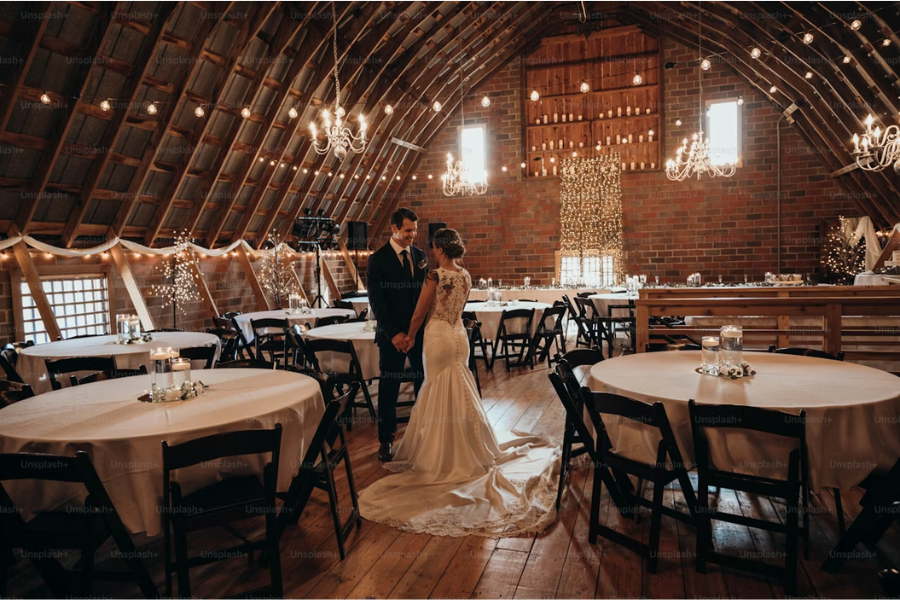
This is one of the core reasons why are barn weddings so popular. The environment already carries part of the aesthetic load.
3. Privacy and Control
Barn venues offer isolation that urban venues cannot.
- Reduced external interference
No shared spaces with other events means fewer disruptions and more control over timing. This is critical for events that run longer or involve multiple phases. - Full schedule control
Couples can design timelines without being restricted by hotel policies or city noise regulations. However, this also means you are responsible for managing that timeline effectively. - Immersive guest experience
Guests remain within a single environment rather than moving between disconnected locations. This increases engagement but requires proper planning of movement and transitions.
Key Components of a Well-Designed Barn Wedding Venue
Not all barn venues are equal. The difference is operational, not visual.
Structural Design
- Ceiling height and openness
High ceilings allow proper lighting rigs, sound dispersion, and visual openness. Low ceilings restrict production quality. Open layouts prevent congestion and improve movement across the space. - Flow-oriented layout planning
The space should guide guests naturally from one phase to another. Poor layouts create confusion and delays. You should not need signage to compensate for bad design. - Defined functional zones
Clear separation between ceremony, dining, and social areas prevents overlap and logistical conflict. Without this, vendors and guests compete for the same space.
Infrastructure and Utilities
This is where most venues fail.
- Power capacity and distribution
Weddings require significant electrical load for lighting, catering, and sound. Insufficient power leads to failures or costly workarounds. A professional venue plans for peak load, not average usage. - Climate control or ventilation
Temperature directly impacts guest comfort. A venue without climate consideration creates discomfort quickly. Seasonal planning alone is not enough. The space must support it. - Restroom and service facilities
Facilities must match guest count and event duration. Portable solutions reduce experience quality. This is a basic operational requirement, not an upgrade.
This is where financial questions become relevant. People ask how much do barn wedding venues make, but profitability depends on how well these systems are built and managed.
Outdoor Integration
- Functional ceremony spaces
Outdoor areas must support seating, accessibility, and visibility. Sloped or uneven land creates issues. The space should be designed, not improvised. - Seamless guest movement
Paths between areas should be clear and intuitive. Guests should not feel lost or disconnected. Movement is part of the experience, not just logistics. - Photography without disruption
Good venues allow photography without interrupting event flow. Poor layouts force trade-offs between visuals and operations.
Planning the Ceremony and Reception Flow
This is where most rustic weddings either work smoothly or fall apart.
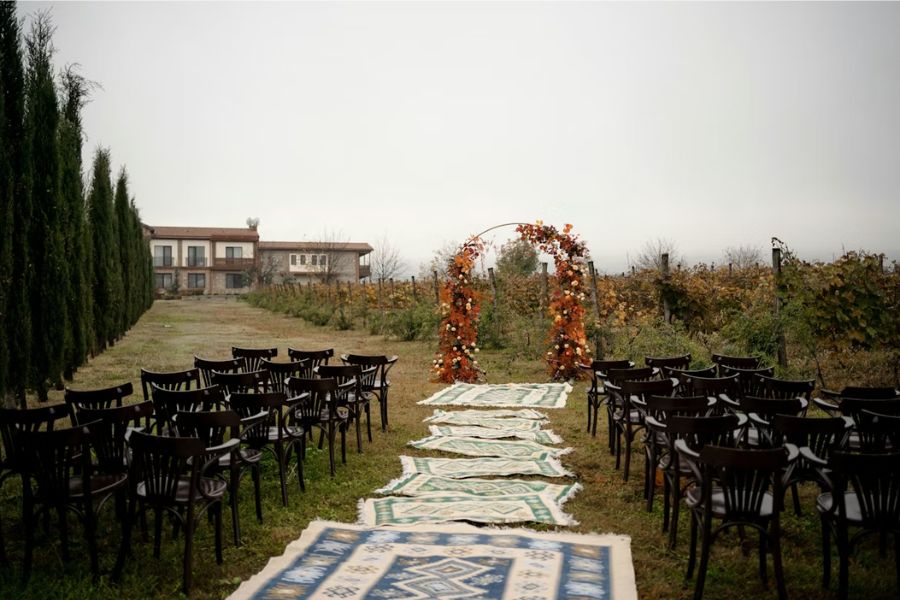
Outdoor ceremonies are one of the biggest draws, but they introduce variables that many couples underestimate. Sun position affects comfort and photography. Wind affects sound and setup. Accessibility affects how inclusive the event is. A well-designed venue anticipates these factors. A poorly designed one leaves them for you to solve.
The transition from ceremony to reception is another weak point. Guests need somewhere to go, something to do, and a clear sense of movement. If the reception space isn’t ready or if there’s no natural gathering area, you create dead time.
Timing matters more than people think. Rustic weddings feel relaxed, but they still require structure. Vendors need coordination. Guests need direction. Without a clear sequence, the event feels disorganized even if everything looks good.
Cost Structure: What Rustic Weddings Actually Involve
The idea that rustic weddings are automatically cheaper is one of the most misleading assumptions.
Costs in barn weddings are distributed differently. Instead of paying a single venue fee that includes everything, you are layering multiple costs. Venue rental, external vendors, setup labor, and contingency planning all add up.
This is why the question are barn weddings cheaper does not have a simple answer. If the venue includes infrastructure and coordination, it can be cost-effective. If it doesn’t, costs can easily exceed traditional venues.
Weather planning is another hidden cost. Backup setups are not optional. They are part of the system. And in some cases, they double certain expenses.
Common Misconceptions About Barn Weddings
One of the biggest misconceptions is that rustic weddings require less planning. In reality, they require more.
The venue usually provides space, not a complete system. That means you are responsible for how everything fits together. This is also why people start asking are barn wedding venues profitable, because profitability often depends on how much structure and service the venue actually provides.
Another misconception is that weather adds charm. It doesn’t. It adds risk. Charm only exists when risk is controlled through proper planning.
How Rustic Wedding Planning Works in Practice
When you move from theory to execution, the differences become clear.
You will be working with more vendors than you would in a traditional venue. Catering, rentals, lighting, and coordination are often separate. This gives you more control, but it also increases complexity.
There is a constant trade-off between flexibility and effort. The more you customize, the more you have to manage. The more private the setting, the more you have to think about accessibility and logistics.
This is also the stage where people question trends and ask are barn weddings still popular. They are, but popularity doesn’t guarantee a good experience. A barn wedding only works if it aligns with how you want your event to function.
Common mistakes are predictable. Underestimating setup time, ignoring parking logistics, overlooking vendor access, and focusing too much on aesthetics are the usual ones. None of these are design problems. They are operational failures.
Planning Timeline for Rustic Weddings
Timing is not optional in rustic weddings. It’s critical.
Securing the venue early gives you access to better options. Defining guest count early shapes every decision that follows. Budget planning has to include hidden costs, not just obvious ones.
As you move closer to the date, vendor coordination becomes the focus. Layout decisions affect logistics. Contingency planning becomes non-negotiable.
In the final phase, everything should already be aligned. If you are still making major decisions in the last month, you are already behind.
Frequently Asked Questions
1. Are barn house wedding venues more affordable than traditional venues?
Not necessarily. While rental costs may be lower, additional expenses like vendors, setup, and logistics often balance out the total.
2. What should I prioritize when choosing a rustic wedding location?
Focus on infrastructure, flow, and contingency planning. A visually appealing venue without operational support creates problems.
3. Do barn venues include coordination services?
Some do, but many operate as rental spaces. Always clarify what is included before making a decision.
4. How do I manage weather risks for an outdoor ceremony?
Choose venues with built-in backup options and clear contingency plans. Avoid relying on temporary solutions.
5. Are rustic weddings suitable for large guest counts?
Yes, if the venue supports capacity operationally. Space alone is not enough, logistics must scale with guest count.
Where Rustic Weddings Work Best
Rustic weddings succeed when the environment supports the experience instead of complicating it.
The strength of a barn house wedding venue is not visual. It is how well space, atmosphere, and operations come together into a single system. When those elements align, the event feels effortless. When they don’t, the gaps become obvious.
As more couples move toward experience-driven weddings, the demand will continue. But the venues that stand out will not be the ones that look good in photos. They will be the ones that function well under pressure.
That is why established venues like Blue Cedar Landing tend to work better in practice. They are designed as event environments, not just styled spaces.
Choosing the right venue is not about finding the most attractive option. It is about choosing the one that actually works.


📉 +1.81919266433 BTC Get ➼ Telegra.ph/Compensations-04-06?hs=86f88b7d875f6a0ad2885ddd66d1bdcc& 📉
April 7, 2026 - 7:45 pmdpblkq