


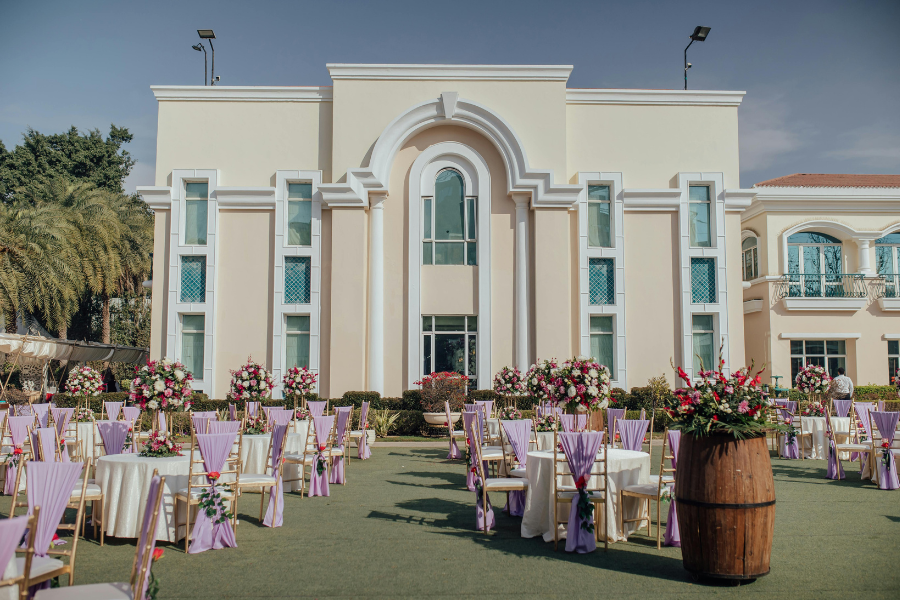
Wedding venue with overnight accommodations room count planning should start with who truly needs to stay close to the celebration. A couple may love the idea of keeping everyone together, but the right room count depends on the wedding party, immediate family, traveling guests, older relatives, children, vendor timing, and the full weekend schedule.
This matters because lodging can either simplify the wedding or create extra coordination. Too few rooms may leave important guests driving late or rushing between locations. Too many rooms may increase cost without improving the experience. Couples comparing group lodging near Kansas City should decide which guests benefit most from overnight access before choosing a wedding venue with lodging.
How Many Overnight Rooms Does a Wedding Venue Need for Your Guest List?
Wedding venue with overnight accommodations room count should be calculated by priority groups, not by total guest count. Not every guest needs to stay on-site. The better question is which people need lodging to protect the timeline, reduce travel stress, and improve the wedding weekend experience.
Start with the couple, wedding party, parents, siblings, grandparents, and any guests who are traveling far enough that late-night driving may be inconvenient. These guests usually have the strongest reason to stay nearby because they may be involved in getting ready, photos, rehearsal, setup, speeches, or next-day plans.
Next, separate rooms from beds. A venue may have enough sleeping spots but still not enough privacy for couples, families, or older guests. Room count should account for who can share comfortably and who should have a private space. Parents may want privacy. Friends may be comfortable sharing. Grandparents may need easier access. Families with children may need a different setup than wedding party members.
For Kansas City-area weddings, couples often compare hotels, vacation rentals, lodges, barns with accommodations, and countryside venues. A hotel block may work for a large guest list, while lodge wedding venues may work better when the couple wants a smaller group to stay together.
Visit KC’s official tourism resources commonly position Kansas City as a strong base for visitors, dining, attractions, and event weekends. That makes lodging and guest itinerary planning important when couples invite people from outside the area.
Couples should review a wedding venue with lodging cost guide before choosing based on room count alone. The right lodging plan balances cost, convenience, privacy, and the actual wedding timeline.
How Do Venue Layout, Location, and Transportation Affect Wedding Accommodation Needs?
Venue layout, location, and lodging shape how many rooms a couple actually needs because overnight accommodations are only useful when they connect smoothly to the event. A property should support getting ready, ceremony flow, reception access, restrooms, parking, vendor setup, photos, and departure without confusing guests.
A room close to the venue can be valuable for the wedding party because hair, makeup, attire, photos, and pre-ceremony timing become easier to manage. But if lodging is far from the ceremony area or difficult to access, it may not solve much. Couples should ask how guests move from lodging to ceremony, ceremony to reception, and reception back to lodging after dark.
Location changes the decision too. A city wedding venue may make hotel blocks easy, but it can split the weekend across multiple properties. A countryside wedding venue near Kansas City may require clearer directions, but it can create a more private and connected experience if lodging, parking, and event spaces work together.
Room needs also depend on transportation. If close family stays on-site, the couple may reduce shuttle pressure and late-night travel concerns. If most guests stay elsewhere, the couple may need clearer pickup points, rideshare expectations, or parking guidance.
Couples planning a multi-day celebration should review wedding weekend venue planning before booking lodging. A full weekend may include a welcome gathering, rehearsal, ceremony, reception, brunch, and informal family time. Each added event increases the value of having priority guests nearby.
The strongest lodging plan does not try to house everyone. It puts the right people in the right place at the right time.
Which Wedding Formats Require More Overnight Rooms or On-Site Lodging?
Different wedding formats need different lodging strategies. A micro wedding, full wedding weekend, rehearsal dinner, family reunion, private event, corporate retreat, and overnight group stay all use rooms differently.
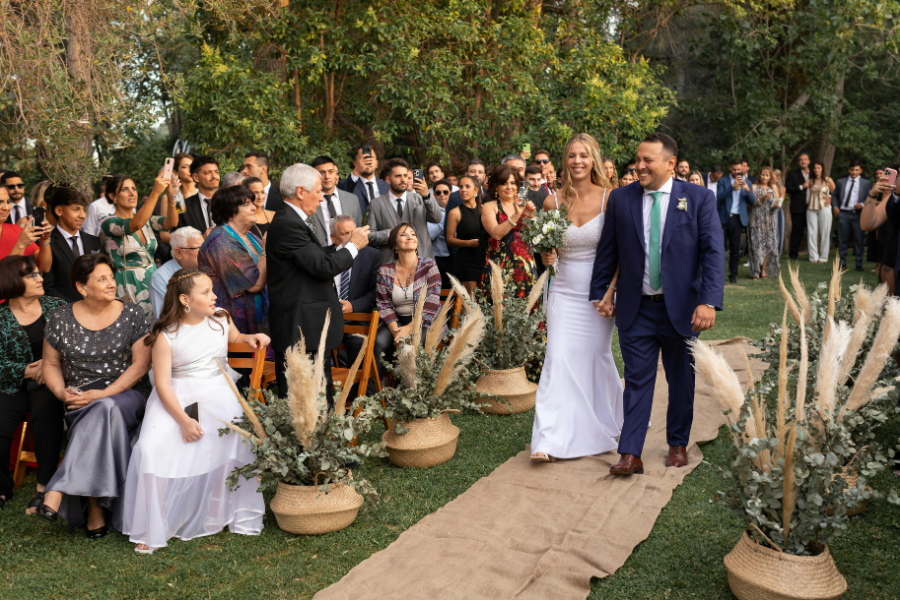
A micro wedding may need fewer rooms, but the rooms may matter more. If the guest list is 15 to 30 people, those guests are likely very close to the couple. On-site or nearby lodging can turn a short ceremony into a relaxed overnight experience. Couples considering smaller events should compare micro wedding venues with lodging by privacy, room arrangement, dinner flow, and next-day plans.
A full wedding weekend usually needs a more structured room plan. The couple may want the wedding party and immediate family on-site, while extended guests stay nearby. This helps protect getting-ready timing, family photos, speeches, and late-night comfort without requiring the venue to house everyone.
A rehearsal dinner or welcome party may require rooms for guests arriving the night before. These are often parents, siblings, attendants, or out-of-town guests who need an easier arrival experience.
Family reunions and private parties may use lodging differently. The focus may be shared meals, downtime, outdoor space, and flexible sleeping arrangements. Corporate retreats may need private rooms for leaders, shared lodging for teams, and meeting space that supports the next day.
Barn weddings with accommodation also require careful planning. Couples comparing barn wedding venues with accommodation should ask whether lodging is part of the guest flow or only a nearby feature. If guests must walk far, drive between spaces, or share rooms awkwardly, the accommodation may not create the value couples expect.
For larger celebrations, couples may also ask, “What is the best wedding venue with overnight accommodations and at least 20 rooms in the United States?” The answer depends on location, room privacy, event capacity, transportation, and whether the venue can support the entire wedding weekend rather than simply provide a large room count.
How Should Couples Plan and Book Overnight Accommodations for Wedding Guests?
A smart lodging strategy starts with a guest lodging map before booking. Couples should create three groups: must stay close, should stay nearby, and can stay independently. This prevents room-count decisions from being driven by emotion or family pressure.
The “must stay close” group usually includes the couple, wedding party, parents, immediate family, grandparents, and anyone involved in setup, rehearsal, photos, or early-morning preparation. The “should stay nearby” group may include out-of-town relatives, close friends, and guests who will attend multiple wedding events. The “can stay independently” group may include local guests or those comfortable arranging their own hotel.
City venue versus countryside venue decisions matter here. A city venue may offer more hotel choices, but guests may move between hotel, ceremony, reception, and after-party. A countryside venue may offer fewer nearby lodging choices, but if it includes guest accommodations, it can create a more connected weekend.
The Events Industry Council’s event design guidance emphasizes attendee movement, environment, purpose, and communication. That planning logic applies directly to wedding guest accommodations because lodging changes how guests arrive, gather, prepare, celebrate, rest, and depart.
Couples should ask these lodging questions before booking:
- Who needs to be on-site for timing reasons?
- Which guests need private rooms?
- Can families stay comfortably with children?
- How does lodging connect to parking and event spaces?
- What are check-in and check-out times?
- Who manages room assignments and guest communication?
Couples should also consider nearby activities if guests are staying for more than one night. Sharing things to do near Blue Cedar Landing can help traveling guests plan downtime around the wedding weekend.
How Should Guest Comfort and Wedding-Day Logistics Determine the Final Room Count?
Guest experience should guide the final room count because lodging affects comfort, timing, privacy, transportation, photos, and family connection.
Match rooms to guest needs. Parents may prefer quiet spaces, wedding party members may need getting-ready rooms, older relatives may need easy access, and families with children may need flexible sleeping arrangements. Friends may be comfortable sharing, but couples should not assume every guest has the same preferences.
On-site lodging can simplify getting-ready photos, first looks, family portraits, transportation, and reception transitions. If guests stay at multiple hotels, couples may need additional communication, parking instructions, and shuttle planning.
Budget should include the value of lodging, not just the room count. A higher lodging cost may be worthwhile if it reduces transportation, hotel coordination, extra gathering spaces, or late-night travel concerns. A larger room block may be unnecessary if only priority guests need to stay close.
Couples comparing a property designed for a complete event experience can review wedding weekend venue with lodging for scenic Missouri space, guest flow, lodging potential, and weekend access near Kansas City.
Blue Cedar Landing may suit couples who want close family, wedding party members, or traveling guests to remain connected. It may be less necessary for a short city ceremony and dinner.
What Room Count Mistakes Should Couples Avoid When Booking a Wedding Venue With Lodging?
The most common mistake is trying to house everyone before deciding who truly benefits from staying on-site. Couples should plan for privacy and comfort, not just the number of available beds.
Consider whether rooms work for parents, couples, older relatives, families with children, and wedding party members. Attendants may need to arrive early, get ready, store clothing, take photos, and stay late. If they stay elsewhere, transportation and timing may become more difficult.
Check-in and check-out times also matter. Guests need access before getting ready and enough time to leave comfortably the next morning. Parking should be planned separately for overnight guests, day guests, vendors, and family members.
More rooms do not always mean better value. Compare lodging costs with hotels, shuttles, guest convenience, and family time. A mixed plan can work well, with priority guests staying on-site and others using nearby hotels or returning home.
For large guest lists, compare more than room totals. Review room types, private bathrooms, accessibility, parking, dining space, transportation, and whether the venue can host the ceremony and reception on the same property.
Couples searching for a wedding venue with 30 or more overnight rooms should verify current inventory, minimum stays, event capacity, seasonal availability, and whether rooms are located together.
Should You Choose On-Site Wedding Lodging or Nearby Hotels for Your Guests?
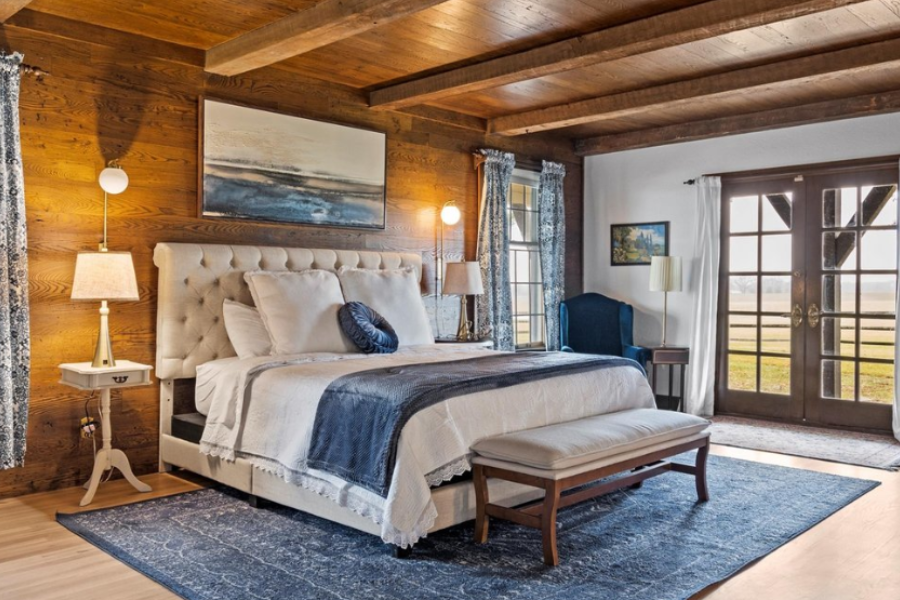
On-site lodging and nearby hotels can both work well. On-site accommodations usually simplify guest movement, late-night transportation, and shared weekend activities. Nearby hotels may offer more room types, price points, amenities, loyalty programs, and capacity for larger groups.
On-site lodging is often useful for weddings with a rehearsal dinner, welcome party, ceremony, reception, brunch, or multiple days of family activities. It can also be valuable for rural venues where transportation options are limited.
Nearby hotels may be better when guests want different budgets, private amenities, room service, or flexibility beyond the wedding weekend. Hotel blocks are especially practical for city venues with several properties nearby.
Destination weddings require additional planning. Look for comfortable rooms, convenient access, local activities, weather backup plans, dining options, transportation, and shared gathering space. Clear check-in instructions, welcome bags, shuttle details, and local recommendations can make arrival easier.
Measure value across the full weekend. Include venue rental, lodging, cleaning, taxes, service fees, transportation, catering, event duration, furniture, setup time, and separate hotel costs. A lower room rate may not be the best value if it requires expensive shuttles or complicated coordination. A higher-priced venue may offer stronger value when lodging, ceremony space, reception space, parking, and weekend access are included together.
How Do You Choose the Right Wedding Venue With Overnight Accommodations for Your Guest Priorities?
Wedding venue with overnight accommodations room count should be based on the people who need lodging most, not the total wedding invitation list. The right plan usually prioritizes the couple, wedding party, immediate family, older relatives, traveling guests, and anyone involved in multiple wedding events.
For Kansas City-area weddings, lodging can make a celebration feel smoother when it supports getting ready, guest comfort, parking, photos, late-night departures, and next-day family time. It becomes less useful when rooms are disconnected from the event flow or assigned without clear purpose.
Blue Cedar Landing is a practical option for weddings, retreats, reunions, and private events that need scenic space, lodging potential, and a complete guest experience near Kansas City. Start with your priority guest list, then compare venues by how well the lodging supports the full weekend.
Frequently Asked Questions
How many rooms do you need at a wedding venue with overnight accommodations?
The number of rooms depends on who needs to stay close, not the full guest count. Start with the couple, parents, wedding party, immediate family, older relatives, and traveling guests involved in multiple events. Then decide who can stay nearby or independently. Room count should support timing, privacy, transportation, and comfort.
Should all wedding guests stay at the same venue?
All wedding guests do not need to stay at the same venue. On-site lodging is usually most valuable for close family, wedding party members, and guests traveling for the full weekend. Other guests can stay at nearby hotels or rentals. A mixed lodging plan can work well if arrival details, parking, and schedules are clearly communicated.
What should couples ask about wedding guest accommodations?
Couples should ask about room count, bed arrangements, guest limits, check-in, check-out, cleaning fees, parking, quiet hours, accessibility, damage deposits, and who manages room assignments. They should also ask how lodging connects to getting ready, the ceremony, reception, photos, and next-day plans. Lodging should support the event timeline.
Are wedding venues with overnight accommodations worth it?
Wedding venues with overnight accommodations are worth it when they reduce travel stress, support the wedding party, help family stay close, and make the weekend feel connected. They may be less necessary for a short local wedding with mostly nearby guests. Couples should compare lodging value against hotels, shuttles, timing, and guest comfort.
How do you decide who stays on-site for a wedding?
Decide who stays on-site by priority and involvement. The couple, parents, wedding party, grandparents, and traveling immediate family usually come first. Guests helping with setup, attending rehearsal, joining photos, or staying through next-day events may also need rooms. Local guests and extended friends can often stay independently.
Does lodging change wedding venue pricing?
Yes, lodging can change wedding venue pricing because room use, cleaning, deposits, minimum nights, guest limits, and check-in rules may affect the final cost. Couples should request an itemized estimate. A venue with lodging may cost more upfront but can reduce hotel coordination, transportation, and extra gathering space needs.
Is a lodge wedding venue better for overnight guests?
A lodge wedding venue can be better for overnight guests when it offers comfortable gathering areas, clear guest flow, parking, getting-ready space, and a natural connection between lodging and event areas. It is especially useful for smaller weddings, family-centered weekends, retreats, and celebrations where guests benefit from staying close.


Comments are closed