




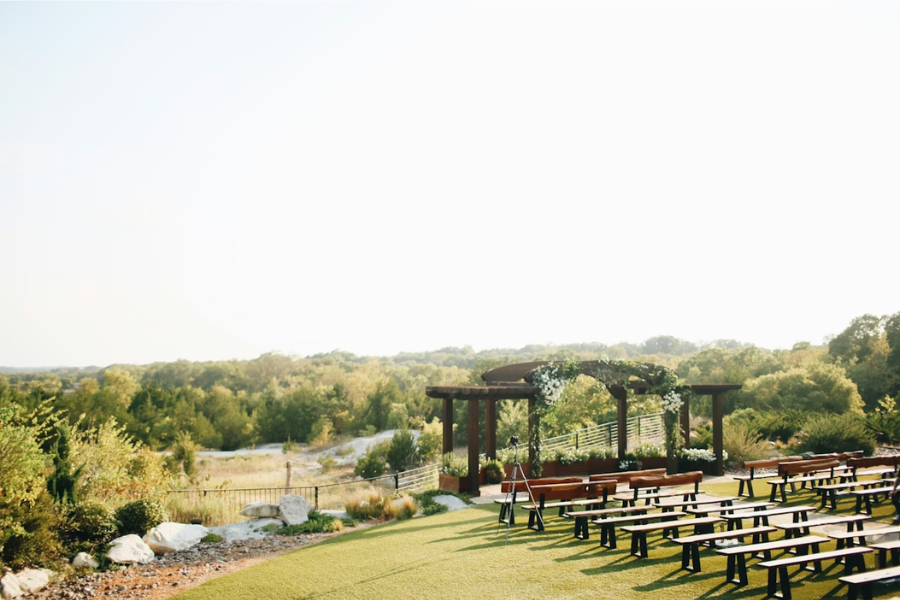
Couples searching for wedding locations in Kansas City often start with visual impressions. Architecture, scenery, and atmosphere immediately influence how a venue feels. A rustic barn, countryside setting, or historic estate can quickly capture attention, but the success of a wedding day depends far more on how the venue functions than how it looks.
A wedding venue serves as the operational foundation of the entire event. Guest arrival, vendor coordination, event flow, and weather planning all depend on how the property is designed and managed. Couples who rely only on photos or pricing often overlook these practical elements.
Kansas City offers a wide variety of venue styles, including barns, estates, lofts, and lakeside properties. This diversity gives couples many options, but it also makes venue tours essential. Visiting in person reveals how spaces connect, how guests move through the property, and how the venue supports real wedding logistics.
This checklist outlines how experienced planners evaluate KC event venues during a tour so couples can choose a venue that supports both the atmosphere and the operational success of their celebration.
Why Venue Tours Matter More Than Online Research
Wedding planning today almost always begins online. Couples browse venue websites, social media galleries, and vendor directories while narrowing down potential options. This early research stage is useful because it helps filter out venues that clearly do not align with a couple’s style, location preference, or approximate guest capacity.
However, online content rarely reflects how a venue truly operates.
Photographs typically showcase carefully staged moments. Tables are perfectly spaced, lighting is optimized, and guests are absent. In reality, once décor, vendors, and hundreds of attendees fill the space, the venue may feel dramatically different.
A reception barn that appears expansive online might feel crowded once dining tables and dance floors are installed. Outdoor ceremony lawns may look wide and open in photos but reveal limited shade or uneven ground during a tour.
Tours also reveal how guests physically navigate the venue.
Guests move between ceremony seating, cocktail areas, restrooms, and reception spaces multiple times throughout the event. If these transitions feel awkward or disconnected, the celebration can lose momentum.
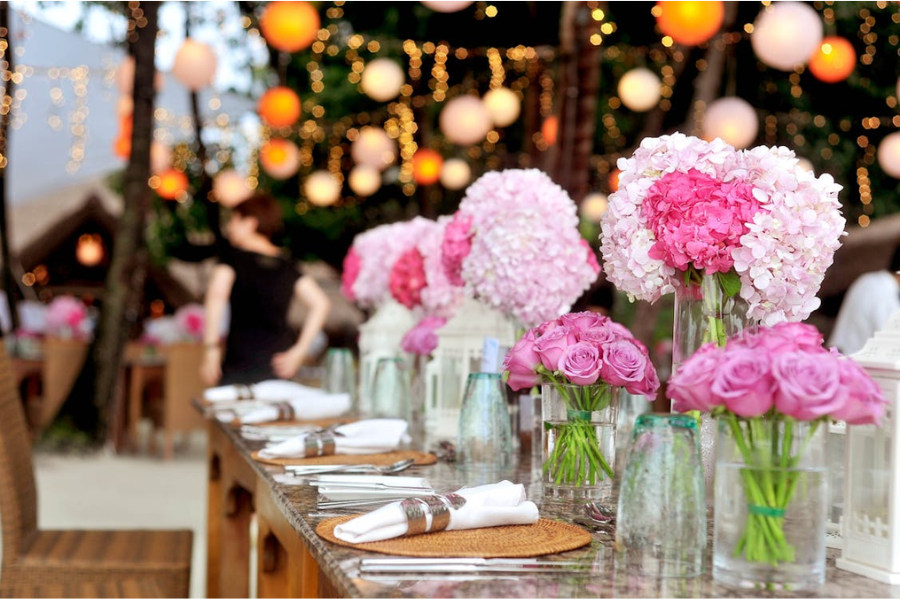
Walking the venue helps couples understand:
- How ceremony and reception spaces connect
Smooth transitions allow guests to move comfortably from one stage of the event to another without confusion or congestion. - How the venue handles crowd flow
Entry points, hallways, and outdoor walkways determine whether large groups move easily or create bottlenecks. - How vendors interact with the property
Setup areas, catering access points, and staging zones often become visible only during an in-person tour.
For this reason, experienced planners treat venue tours as investigative visits rather than casual walkthroughs.
Understanding the Role of the Venue in Wedding Planning
Before touring venues, couples benefit from understanding how central the venue is to the overall wedding planning process. Many couples initially view a venue simply as the location where the ceremony and reception will take place. In reality, the venue acts as the operational framework supporting the entire event. Decisions related to infrastructure, layout, and management directly influence how smoothly the celebration unfolds.
One of the most important factors is guest movement and overall experience. The layout of the property determines how easily guests transition between the ceremony, cocktail hour, and reception spaces. When movement paths feel natural and intuitive, guests remain comfortable and engaged throughout the event. A well-designed venue also prevents confusion when large groups move from one part of the property to another, helping the celebration maintain a steady flow without delays.
Vendor coordination is another critical aspect shaped by the venue. Caterers, photographers, florists, DJs, and planners all depend on the venue’s infrastructure to perform their roles effectively. Loading zones, preparation areas, and staging spaces determine how efficiently vendors can set up and manage their responsibilities during the event. Venues that provide organized vendor access and adequate working areas typically contribute to smoother execution on the wedding day.
Timeline management also depends heavily on the venue’s operational structure. Ceremony start times, cocktail hour transitions, and reception flow all rely on how the venue schedules events and coordinates vendors. Venues with significant wedding experience often guide couples through realistic timelines and help them plan each stage of the celebration in a practical way.
Because the venue influences so many operational elements, couples are not simply choosing a location when they tour properties. They are evaluating the foundation that will support every part of their wedding day.
Preparing Before You Tour Wedding Locations
A productive venue tour begins before stepping onto the property. Couples who arrive with clear planning parameters can evaluate venues more effectively than couples still figuring out basic details.
Several key considerations should be clarified before scheduling tours.
Estimated guest count
- Guest capacity determines whether a venue can comfortably host the celebration. Even visually beautiful venues become problematic if they struggle to accommodate the expected number of attendees.
- Understanding guest count early prevents couples from touring venues that cannot realistically support their event size.
Preferred ceremony style
- Couples should know whether they prefer indoor, outdoor, or hybrid ceremony options. This preference significantly affects venue suitability and weather contingency planning.
- Venues that support multiple ceremony formats provide additional flexibility during planning.
Seasonal preferences
- The time of year influences lighting, weather conditions, and landscape appearance. Touring venues with seasonal awareness helps couples imagine how the property will look during their wedding month.
Travel considerations for guests
- Out-of-town weddings require careful attention to accommodations and transportation. Venues located outside Kansas City may require nearby lodging options or on-site accommodations.
- Some countryside venues simplify logistics by offering integrated lodging areas, allowing couples and close family members to stay nearby during the event weekend.
Proper preparation allows couples to evaluate venues through a practical planning lens rather than relying purely on emotional impressions.
First Impressions: Evaluating the Overall Environment
The first moments of arriving at a venue reveal subtle but important details about how the property functions.
Guests experience these same first impressions on the wedding day. Parking layout, signage, landscaping, and entrance design collectively shape how welcoming and organized the venue feels.
Couples should pay attention to several environmental factors during the initial walkthrough.
Parking and accessibility
- Adequate parking ensures guests can arrive without frustration or confusion. Properties with organized parking areas create smoother guest arrival experiences.
- Couples should also consider accessibility for elderly guests or attendees with mobility limitations.
Property layout and orientation
- The arrangement of buildings, ceremony spaces, and reception halls determines how intuitive the venue feels. Properties that integrate these elements naturally reduce guest confusion.
- Clear pathways and visible signage help guests navigate the venue comfortably.
Landscape integration
- Countryside wedding venues often rely on natural scenery to create atmosphere. The surrounding environment becomes an extension of the celebration.
- Well-designed venues integrate architecture and landscape in a cohesive way rather than treating them as separate features.
These early observations help couples understand how the property will feel for guests arriving on the wedding day.
Ceremony Space Evaluation
The ceremony location often represents the emotional center of the wedding day.
Couples should evaluate both aesthetics and functionality when examining ceremony areas.
Guest visibility
- Every guest should be able to see the ceremony clearly. Elevated platforms or thoughtfully arranged seating areas help ensure unobstructed views.
- Natural slopes or uneven terrain may require additional seating planning.
Weather considerations
- Outdoor ceremonies introduce weather variables such as wind, heat, or sudden rain. Venues should have clearly defined indoor alternatives ready if conditions change.
- Couples should understand exactly where ceremonies relocate during weather disruptions.
Acoustic quality
- Sound clarity matters for vows and officiant remarks. Large outdoor spaces sometimes require microphones or amplification systems.
- Indoor ceremony halls with high ceilings may require sound adjustments for clarity.
Ceremony spaces that combine scenic beauty with operational practicality often become strong contenders.
Reception Space and Guest Flow
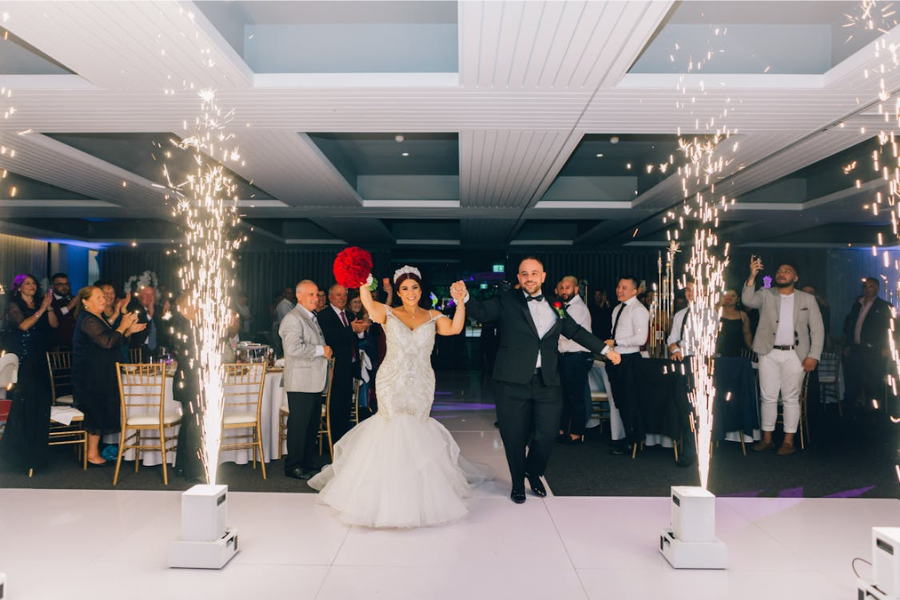
Reception spaces must support several activities at once, including dining, speeches, dancing, and socializing. When touring wedding locations in Kansas City, couples should imagine how the space will function once tables, décor, and guests fill the room. Flexible dining layouts are important because reception halls should allow different table arrangements without making the space feel crowded. Couples should also consider how décor elements and the dance floor will fit within the layout.
Dance floor placement plays a major role in guest engagement. At many KC event venues, the dance floor is positioned so guests can easily see key moments such as first dances and speeches from their tables.
The placement should also allow smooth movement for servers and guests. Lighting is another important factor, particularly in rustic venues with wooden interiors. Many wedding locations in Kansas City rely on adjustable lighting to maintain atmosphere while ensuring visibility during evening receptions.
Vendor Logistics and Operational Flow
Vendor coordination strongly influences whether a wedding day runs smoothly. While touring KC event venues, couples should observe how vendors access and use the property. Clear loading areas allow vendors to bring equipment into the venue efficiently without interrupting guest areas. Restricted access or narrow pathways can slow down setup and complicate event preparation.
Preparation space is another key detail. Caterers require adequate staging areas to organize food service, even if the venue does not include a full commercial kitchen.
Couples should also ask about vendor access times because some wedding locations in Kansas City limit how early vendors can begin setting up. Venues that provide organized vendor spaces and clear policies usually help events run more efficiently.
Weather Contingency Planning
Weather planning is essential for outdoor celebrations, especially in Missouri where conditions can change quickly. When evaluating wedding locations in Kansas City, couples should confirm that the venue offers a clearly defined indoor backup location for ceremonies. These alternate spaces should feel intentional and suitable for the event rather than temporary solutions.
Couples should also consider how guests move between ceremony and reception areas during unexpected weather. Covered walkways or nearby indoor spaces help protect guests if conditions change. Climate control is equally important, particularly at rustic KC event venues where barns or open structures may require additional heating or cooling. Venues with strong contingency planning ensure the celebration can continue comfortably regardless of weather conditions.
Guest Comfort and Amenities
Guest comfort significantly influences how people remember a wedding.
Even the most beautiful venues struggle if guests feel uncomfortable throughout the event.
Restroom accessibility
- Restrooms should accommodate large groups without long wait times. Couples should confirm restroom capacity relative to guest count.
- Clean, accessible facilities improve overall guest experience.
Seating and relaxation areas
- Not all guests spend the entire evening on the dance floor. Quiet seating areas allow older guests or families to relax comfortably.
- These spaces also encourage social interaction away from louder areas.
Accommodation availability
- Some venues offer overnight lodging or nearby accommodations. This feature is especially valuable for countryside weddings outside Kansas City.
- On-site lodging allows couples and family members to remain close after the celebration.
Practical Planning Considerations Couples Often Overlook
Even experienced planners occasionally overlook practical operational details during venue tours.
Several logistical factors deserve careful attention.
Parking logistics
- Large guest lists require sufficient parking capacity. Couples should verify whether overflow parking plans exist.
- Shuttle services may be necessary for remote venues.
Local noise regulations
- Some areas enforce strict noise ordinances. Music restrictions may require receptions to end earlier than expected.
- Couples should confirm event end times with the venue.
Electrical infrastructure
- Outdoor weddings often require additional power for lighting and sound systems. Adequate electrical capacity ensures vendors can operate equipment safely.
- Evaluating these practical elements early prevents last-minute complications.
FAQs
How many venues should couples tour before deciding?
Most couples benefit from touring three to five venues. This range allows comparison without creating decision fatigue.
What should couples bring to a venue tour?
Bring a guest count estimate, planning notebook, and a list of logistical questions related to ceremony, vendors, and weather contingencies.
How long does a venue tour usually take?
Most tours last between 45 minutes and one hour, depending on the property size and questions asked.
Should couples tour venues during the same season as their wedding?
Ideally, yes. Visiting during the same season helps couples evaluate lighting, weather conditions, and landscape appearance.
Do venue tours include planning consultations?
Some venues incorporate basic planning discussions, while others focus strictly on the property walkthrough.
A Venue Tour That Changes Everything
Many couples enter venue tours with a list of technical questions. Capacity, rental fees, and available dates typically dominate early conversations. Yet the moment that truly influences a decision rarely comes from a spreadsheet or a planning checklist. It usually arrives quietly during the walk through the property.
Sometimes the right venue simply feels balanced. The ceremony area sits naturally within the landscape. The reception space feels welcoming rather than overwhelming. Pathways between locations make sense without explanation. Guests can easily imagine themselves celebrating there.
Couples often notice that the venue team communicates confidently about logistics. Questions about vendor coordination, weather plans, and event timelines receive clear answers. That operational clarity signals experience — something that becomes invaluable as wedding planning progresses.
For couples exploring countryside venues near Kansas City, properties that integrate ceremony spaces, reception barns, and nearby accommodations often stand out during tours. These environments simplify planning because multiple parts of the celebration occur within the same setting.
Blue Cedar Landing is one such venue that combines scenic outdoor ceremony areas, rustic reception spaces like The Stables, and lodging options such as The Lodge. This combination allows couples to host their entire celebration in one cohesive location while maintaining the relaxed countryside atmosphere many Kansas City weddings seek.
When the venue structure aligns naturally with the celebration vision, couples often recognize it immediately. The property no longer feels like just another option on a planning list. Instead, it becomes the place where the wedding day begins to feel real.


Comments are closed