




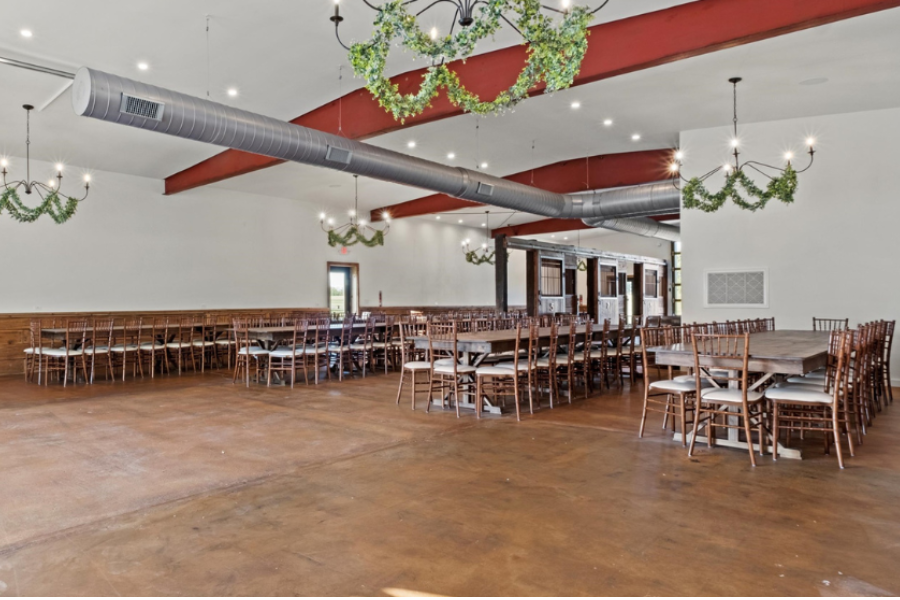
Planning a corporate retreat in 2026 looks very different than it did even a few years ago. Teams are smaller, calendars are tighter, and tolerance for generic offsites has all but disappeared. Leaders aren’t asking where they can fit everyone anymore- they’re asking where meaningful time together will actually work.
That’s why interest in corporate retreat venues in Missouri continues to grow. For organizations based in or around Kansas City, Missouri offers a rare combination: geographic accessibility, rural privacy, and venues that support focus rather than distraction.
This guide breaks down what makes a corporate retreat venue effective in 2026, how team building venues differ from traditional event spaces, and why thoughtfully designed company offsites near Kansas City tend to outperform conference-style retreats.
Why Corporate Retreat Venues in Missouri Matter More in 2026
Corporate retreats didn’t become popular because companies wanted nicer locations. They emerged because distributed work, digital fatigue, and compressed schedules created a gap that remote tools can’t fill.
Missouri has become a strong retreat destination because it solves three persistent problems:
- It’s drivable for Midwest-based teams
- It offers true separation from day-to-day environments
- It supports private, single-group use more easily than urban centers
In 2026, the most effective corporate retreat venues in Missouri are not trying to replicate hotels or conference centers. They are designed to slow teams down enough for real conversations to happen.
What Defines a High-Quality Corporate Retreat Venue
Not every space that accepts corporate bookings is a retreat venue in practice.
The best venues share a few structural characteristics:
- Exclusivity: One team on-site at a time
- Proportionate scale: Spaces that feel full with 15–40 people
- Flexible layouts: Rooms that adapt to discussion, not just presentation
- Minimal friction: Fewer rules, fewer transitions, fewer constraints
Effective team building venues support interaction by default. They don’t require constant facilitation to keep people engaged.
Team Building Venues vs Traditional Event Spaces
This distinction matters more than most planners realize, and it’s where many corporate retreats quietly fail.
Traditional event spaces are designed for efficiency at scale. They work well when the goal is to host large numbers of people, move them through fixed schedules, and deliver information consistently. Rooms are optimized for presentations, transitions are tightly managed, and shared spaces are common.
Team building venues operate on a different logic. They’re built for interaction rather than throughput. Spaces are proportionate to smaller groups, layouts are flexible, and pacing is intentionally looser. Instead of pushing teams from one programmed moment to the next, these venues allow conversations to unfold naturally- during meals, walks, or unstructured downtime.
This difference becomes especially clear during company offsites near Kansas City. Venues that resemble lodges, estates, or rural campuses consistently outperform banquet-style spaces because they reduce formality. When people aren’t confined to rows, stages, or rigid timelines, collaboration feels less performative and more genuine. That’s where alignment and trust actually form.
Why Location and Privacy Shape Outcomes
Privacy is not a luxury in corporate retreats- it’s a prerequisite.
When teams share space with other groups:
- Conversations become guarded
- Schedules become rigid
- Informal moments disappear
The most successful corporate retreat venues in Missouri offer full-property access. That privacy changes how teams behave: discussions last longer, hierarchies soften, and collaboration feels less performative.
How Corporate Retreats Actually Work in the Real World
In practice, effective retreats follow a simpler rhythm than many planners expect.
Most successful retreats include:
- Short, focused working sessions
- Long breaks for unstructured conversation
- Shared meals that aren’t rushed
- Evening downtime without formal programming
This is where many team building venues succeed. They’re designed to support both structure and downtime without requiring constant agenda management.
Common Mistakes When Choosing Company Offsites Near Kansas City
Even experienced planners fall into predictable traps.
Common issues include:
- Choosing venues that are too large “just in case”
- Over-scheduling activities to justify the trip
- Prioritizing amenities over layout and flow
- Underestimating the value of overnight stays
The goal of a retreat is not to fill time. It’s to create space for conversations that don’t happen anywhere else.
When Missouri Retreat Venues Are the Right Fit- and When They’re Not
Missouri-based retreats work best when:
- Teams want separation from city environments
- The goal is alignment, not entertainment
- Group size stays under 50
- Privacy matters more than polish
They may not be ideal for:
- Very large corporate conferences
- Highly scripted incentive events
- Teams seeking nightlife-driven experiences
Being honest about intent helps avoid mismatches.
A Note on Lodge-Style Retreat Venues
Among the various corporate retreat venues in Missouri, lodge-style properties consistently support better outcomes. Their layouts naturally blend workspaces, shared meals, and informal gathering areas without hard boundaries.
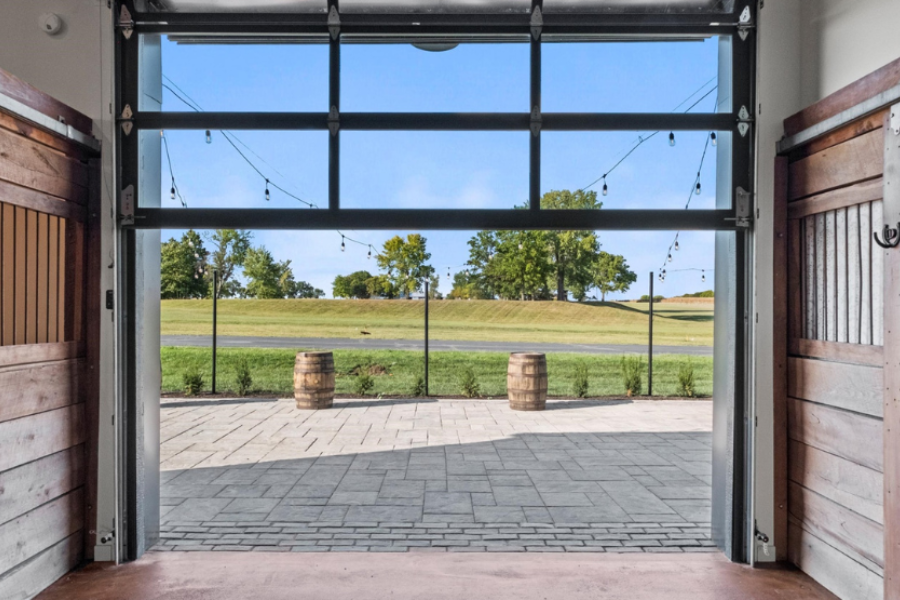
This is the same structural advantage found at venues like Blue Cedar Landing, where the setting is intentionally designed for single-group use, countryside privacy, and flexible pacing. Rather than forcing teams into conference-style behavior, lodge environments allow retreats to unfold organically- often leading to deeper engagement with less effort.
How to Decide If a Corporate Retreat Venue Is Right for You
Ask a few practical questions:
- Will this space feel natural with our actual group size?
- Does the venue encourage conversation outside formal sessions?
- Are we sharing the property with other groups?
- Can the retreat extend beyond a single day if needed?
If the answers point toward flexibility, privacy, and proportionate scale, you’re likely evaluating the right kind of venue.
FAQs
1. What makes corporate retreat venues in Missouri popular?
Accessibility, privacy, and the availability of single-group properties make Missouri well-suited for focused retreats.
2. Are team building venues different from event venues?
Yes. Team building venues prioritize interaction and flexibility rather than presentations and large audiences.
3. Why are company offsites near Kansas City often held outside the city?
Rural settings reduce distraction and make it easier to secure private, uninterrupted space.
4. Do corporate retreats require formal programming?
Not always. Many successful retreats rely more on environment and pacing than structured activities.
5. Are overnight stays important for retreats?
They often are. Staying on-site removes logistical friction and allows conversations to continue naturally.
Why the Right Corporate Retreat Venue Shapes Results in 2026
The most effective corporate retreats don’t feel like events. They feel like intentional pauses- time deliberately set aside for teams to step out of daily operating mode, think clearly, and reconnect without pressure or performance.
As organizations plan for 2026, the appeal of corporate retreat venues in Missouri lies in how well they support that pause. Rural settings close to Kansas City offer a rare balance: accessibility without distraction, privacy without isolation. When space, pacing, and exclusivity are aligned, retreats stop feeling like something teams attend and start becoming reference points they return to long after the offsite ends.That alignment is why lodge-style venues such as Blue Cedar Landing resonate with leadership teams. The property is structured for single-group use, flexible schedules, and shared time rather than rigid programming. Instead of forcing retreat behavior into a conference format, the environment allows conversations, decisions, and relationships to develop naturally, which is ultimately what teams come away remembering.


Comments are closed