




Couples planning weddings today aren’t short on options. What they are short on is clarity. Over the last decade, the wedding industry has expanded rapidly, introducing bundled packages, tiered pricing models, and “stress-free” solutions that promise simplicity while quietly limiting choice. One of the earliest-and most consequential-decisions couples face is whether to select an all inclusive wedding venues kansas city or design a custom celebration from the ground up.
This decision shapes far more than the budget. It influences how much control you retain, how your guests experience the day, how flexible the timeline feels, and how mentally demanding the planning process becomes. It also determines how easily the celebration can adapt when real-world variables-weather, family dynamics, or shifting priorities-inevitably arise.
What follows is a grounded, experience-based comparison of all-inclusive wedding packages in Kansas City versus custom wedding packages. The aim is not persuasion. It is clarity-so couples and families can choose a structure that aligns with their values, constraints, and expectations.
Why This Decision Has Become More Complex
Weddings today look very different than they did even ten years ago. Guest lists are smaller. Weekday celebrations and multi-day gatherings are increasingly common. Many couples are balancing demanding careers, long-distance families, and limited planning bandwidth-while still wanting the wedding to feel personal rather than performative.
Venues responded in two distinct ways. Some standardized their offerings to reduce friction and speed up planning. Others leaned into flexibility, giving couples more control over how the experience unfolds. This divergence is why a wedding packages comparison is no longer just a pricing exercise.
The more important question is no longer, “What costs less?”
It is, “What structure supports the experience we actually want?”
What All-Inclusive Wedding Packages Are Designed to Solve
All inclusive wedding venues kansas city exist to reduce decision fatigue. They bundle major components-venue, catering, rentals, and coordination-into a single framework so couples don’t have to manage dozens of independent choices.
Most all-inclusive packages include:
- Venue access for a fixed time window
- Tables, chairs, and standard linens
- Catering through an in-house or preferred provider
- Basic décor or styling elements
- On-site coordination to manage timelines and logistics
The primary benefit is predictability. Couples know early what is included, what is excluded, and how the day is expected to run. For large guest counts or compressed planning timelines, this structure can be stabilizing.
The Built-In Constraints of All-Inclusive Models
The same standardization that creates simplicity also limits flexibility. All inclusive wedding venues kansas city are designed to work efficiently across many events with minimal variance. Customization typically exists only within narrow boundaries.
Common constraints include:
- Restricted vendor choices
- Fixed or tightly managed timelines
- Design options that favor efficiency over expression
For couples who value predictability and are comfortable adapting to a venue’s operating model, these constraints may be acceptable. For others, they become friction points once planning moves from theory to reality.
What Custom Wedding Packages Actually Offer
Custom wedding packages operate on a different premise: the celebration adapts to the couple, not the other way around. Instead of bundling decisions, the structure separates them intentionally.
A custom approach typically includes:
- Flexible venue access
- Freedom to select vendors
- Adjustable timelines
- Control over layout, pacing, and guest flow
This model requires clarity earlier in the process. Couples must define priorities sooner and accept greater responsibility for coordination. In exchange, they gain the ability to shape the day around relationships, atmosphere, and intention rather than logistics alone.
Cost Transparency: Understanding Where the Money Goes
One of the most persistent misconceptions is that all-inclusive weddings are always less expensive. In practice, the difference is less about total cost and more about how costs are distributed.
All-inclusive packages:
- Present clearer upfront numbers
- Reduce surprise line items
- Limit substitutions and budget reallocation
Custom weddings:
- Spread costs across vendors
- Allow meaningful budget trade-offs
- Require closer oversight
When evaluating Kansas City wedding pricing, couples should look beyond headline figures and consider how flexible the budget remains if priorities change mid-planning.
Flexibility vs. Efficiency: The Core Structural Trade-Off
At the heart of this decision is a simple trade-off.
All-inclusive packages optimize for efficiency.
They minimize coordination, reduce friction, and keep events moving on schedule.
Custom packages optimize for flexibility.
They allow the day to breathe, adapt, and unfold organically.
Neither approach is inherently better. Problems arise only when couples select a structure that conflicts with how they want the celebration to feel.
All-Inclusive vs. Custom Wedding Packages: A Practical Comparison
Once couples understand the philosophical difference between these approaches, the next step is practical evaluation. This is where clarity matters most-how each model behaves under planning pressure, guest expectations, timeline shifts, and budget adjustments.
Side-by-Side Comparison
| Decision Factor | All-Inclusive Wedding Packages | Custom Wedding Packages |
| Planning Structure | Predefined framework designed for speed and consistency | Flexible framework shaped around the couple’s priorities |
| Early-Stage Simplicity | High – fewer decisions upfront | Moderate – requires early clarity |
| Customization Range | Limited to preset options | High – layout, vendors, and pacing can change |
| Vendor Choice | Typically restricted | Open within venue guidelines |
| Timeline Control | Fixed or tightly managed | Adjustable and fluid |
| Guest Experience | Polished and predictable | Relaxed and personal |
| Privacy | Often shared venues | Typically exclusive use |
| Cost Transparency | Clear upfront pricing | Easier budget rebalancing |
| Adaptability | Efficient but rigid | Forgiving when plans shift |
| Best Fit For | Large guest counts, short timelines | Smaller weddings, intentional pacing |
| Primary Risk | Feeling constrained | Feeling overwhelmed |
| Emotional Outcome | Calm through structure | Calm through alignment |
Guest Experience: How Structure Is Felt, Not Seen
From a guest’s perspective, the difference between these models is subtle but meaningful.
All-inclusive weddings often feel:
- Polished
- Well-timed
- Predictable
Custom weddings tend to feel:
- Relaxed
- Personal
- Less scripted
Guests may not articulate the difference, but they experience it. Conversations linger. Transitions feel unhurried. The day feels lived-in rather than produced.
Why Setting Often Replaces Décor in Custom Weddings
In many custom celebrations, the venue itself becomes the primary design element. Natural light, architectural character, and open landscapes reduce the need for heavy styling.
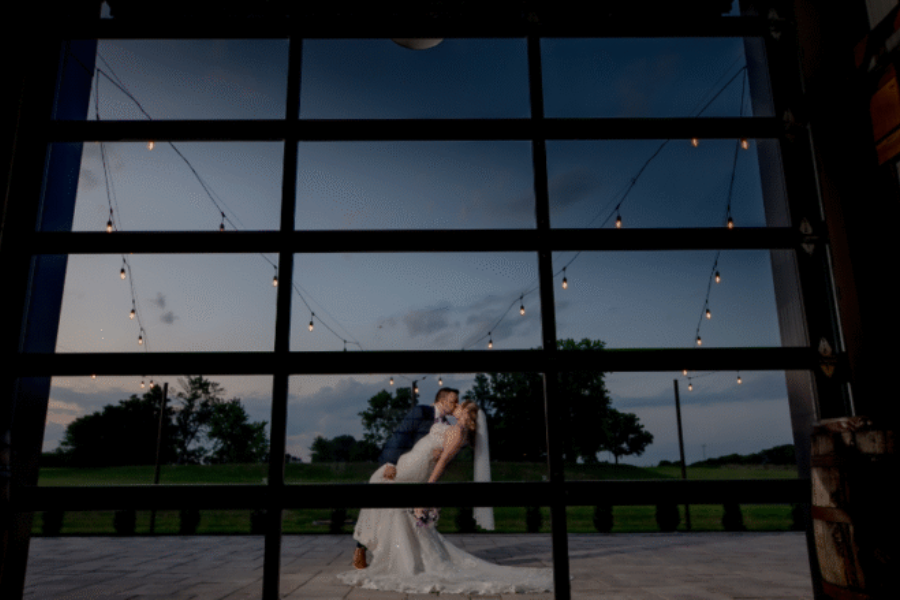
At Blue Cedar Landing, the surrounding acreage, privacy, and countryside setting often allow couples to simplify décor decisions and focus on experience rather than transformation.
Vendor Choice: Freedom Requires Discernment
Custom weddings allow couples to select vendors they trust. That freedom can elevate the experience-but it also introduces responsibility. Vendor compatibility matters as much as individual talent.
The strongest custom celebrations are collaborative. Vendors understand the venue, respect the timeline, and align with the couple’s priorities. Without that alignment, flexibility can turn into fragmentation.
Privacy as a Structural Variable
Privacy rarely appears on pricing sheets, yet it significantly shapes the experience. Many all-inclusive venues host multiple events simultaneously. Private venues typically host one celebration at a time.
Privacy influences:
- Guest comfort
- Emotional openness
- Overall tone
For couples seeking intimacy, privacy often outweighs convenience once they understand the difference.
Hybrid Models: A Practical Middle Ground
Many venues now offer hybrid structures-custom foundations with optional inclusions. These models recognize that most couples don’t want extremes.
Hybrid approaches may include:
- Venue plus coordination with open vendor choice
- Fixed infrastructure with flexible timelines
- Guidance without prescriptive styling
This structure reduces friction without sacrificing autonomy.
Practical Planning Realities
No package eliminates effort entirely. Each model simply shifts effort to different stages of planning.
All-inclusive packages reduce early decisions but require acceptance of constraints later. Custom packages demand clarity upfront but often feel calmer as the day approaches.
Common planning mistakes include:
- Choosing all-inclusive while expecting customization
- Choosing custom without defining priorities
- Underestimating timeline constraints
Awareness prevents frustration.
Decision Criteria That Actually Matter
When evaluating your options, ask:
- Do we value ease or expression more?
- Will structure calm us or constrain us?
- How important is privacy?
- Should the venue adapt to us-or us to the venue?
There is no universal answer-only contextual alignment.
How Blue Cedar Landing Approaches Weddings and Private Events
Some venues are optimized for volume. Others are optimized for flexibility. Blue Cedar Landing was developed with a different priority: creating an environment where events can adapt to the people hosting them, not the other way around.
Set within a private countryside setting near Kansas City, the property supports a wide range of gatherings—from weddings and milestone celebrations to retreats and multi-day events—without forcing them into rigid formats. Indoor and outdoor spaces are designed to work together, allowing timelines to adjust naturally and guest experiences to feel unhurried.
Rather than relying on fixed templates, the venue provides a strong foundation: open landscapes, thoughtful infrastructure, and modern amenities that remove friction without dictating how an event should look or feel. This approach gives hosts the freedom to personalize their celebration while still benefiting from a setting that is operationally sound and intentionally designed.
For couples and planners weighing all-inclusive versus custom approaches, Blue Cedar Landing often serves as a practical middle ground—offering structure where it matters, and flexibility where it counts.
When All-Inclusive Packages Make Sense
All-inclusive packages tend to work best when:
- Planning timelines are short
- Guest counts are high
- Design expectations are modest
- Simplicity is the top priority
They solve logistical problems efficiently.
When Custom Packages Are the Better Fit
Custom weddings work best when:
- Guest lists are smaller
- Emotional pacing matters
- Privacy is important
- The setting itself carries meaning
They support presence, memory, and flexibility.
How This Decision Shapes Memory, Not Just Logistics
The structure you choose affects how you experience planning-
9+5and how present you feel on the wedding day. Stress accumulated during planning often carries into the celebration. A structure aligned with your temperament reduces cognitive load and increases enjoyment.
Wedding packages are not just logistical tools. They are emotional frameworks.
FAQs
1. Are all-inclusive wedding packages in Kansas City truly all-inclusive?
They typically include predefined services but often exclude upgrades, substitutions, or extended access.
2. Do custom weddings always cost more?
No. Costs are redistributed rather than automatically higher.
3. Is custom planning more stressful?
Only when priorities are unclear. With early alignment, many couples find it calmer.
4. Which option creates a better guest experience?
Custom weddings often feel more relaxed; all-inclusive weddings feel more structured.
5. Can venues offer both options?
Yes. Many venues now offer hybrid models.
A Grounded Way to Think About the Choice
The best wedding packages don’t feel like packages at all. They feel like frameworks that support the experience you want without imposing one you don’t.
Whether you choose an all-inclusive model or a custom approach, the goal is the same: a day that feels intentional, calm, and genuinely yours. The right structure is the one that fades into the background once the celebration begins.


Comments are closed